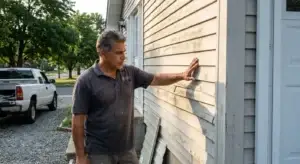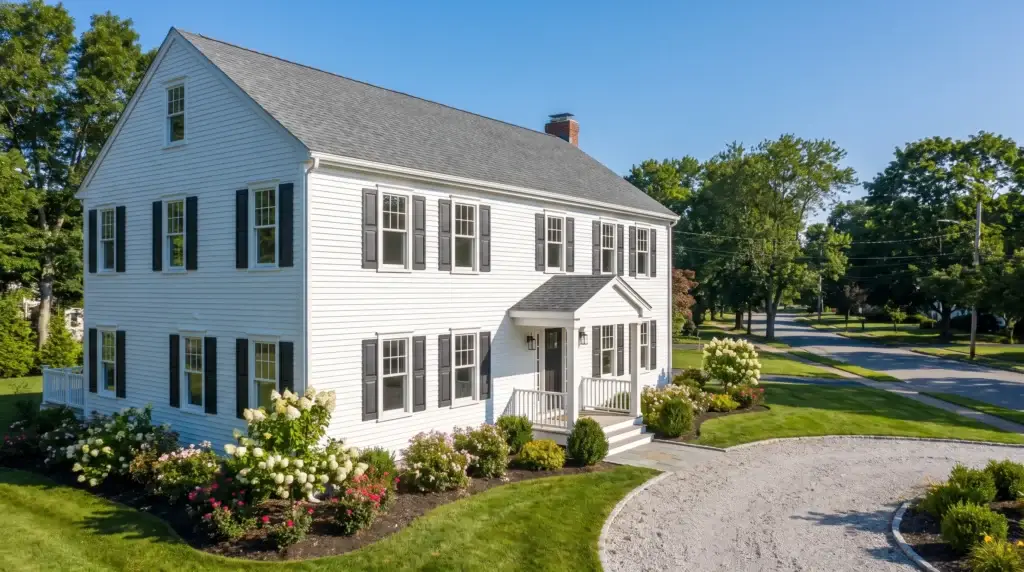
You found the right house in the wrong condition. It is priced low because it needs everything, and a standard mortgage will not touch it until somebody fixes what is wrong. That is the exact gap a 203K renovation loan in Connecticut is built to close, and it is how a lot of properties nobody else will touch end up being the one you get.
Before anything else: we are not lenders and we do not place loans. We are the contractor side of these deals, and we have executed them with plenty of customers and their banks. What follows is what we see from inside the process, which is the part most buyers do not find out about until they are already under contract.
What a 203K renovation loan actually does
In plain terms, a renovation loan rolls the purchase price and the cost of the work into a single mortgage. Instead of needing cash for the house and separate cash for the renovation, the financing covers both, and the loan is underwritten against what the property will be worth once the work is finished rather than what it is worth today.
The federal program most people mean when they say 203K is administered by HUD, and the official HUD 203(k) overview is the right place to read the program rules. Your lender will tell you which version fits your project and what you qualify for. Those are their questions to answer, not ours.
Who these are actually for
- Buyers of distressed property. The house is cheap because it needs work, and you do not have cash sitting there for both.
- Houses that will not pass as-is. A property with a failed roof, no functioning heat, or unsafe wiring often cannot clear a conventional mortgage. The renovation is what makes the deal financeable.
- Owners refinancing to renovate. You already own it and would rather roll the work into the financing than pay out of pocket.
- Investors. Buy, renovate, then hold or sell. We do this on our own properties, so it is a conversation we can actually have with you.
The part nobody warns you about
Here is the thing that catches buyers off guard. On a normal job, the contractor works for you. On a renovation loan, the contractor is inside the bank’s process, and the loan can stall or die based on whether they hold up their end.
What the lender needs from the contractor:
- A scope they will accept. Detailed, written, and priced in a form underwriting will approve. Vague numbers on a one-page estimate do not clear.
- Holding to that scope. What was approved is what gets built. Changes mid-project are the fastest way to stall a draw.
- Working on a draw schedule. This is the big one. Payment comes in stages as work is completed and inspected, not up front. The contractor has to be able to carry payroll and materials before getting paid.
- Hitting inspections. Each stage gets inspected before the next draw releases. A missed inspection stops the money and the schedule together.
- Current paperwork. Licensing and insurance documentation on file before anything starts.
- Finishing. A half-finished renovation loan is a problem for everybody, including the bank.
Why most contractors say no
Read that list again and you can see why. A crew living job to job cannot float a draw schedule. A crew that does not do written scopes cannot produce one underwriting will take. And plenty of good contractors simply do not want the paperwork.
So buyers end up in a bad spot: the loan is approved in principle and they cannot find anyone willing to do the work under those terms. We have watched deals fall apart at exactly that point, on houses that were worth saving.
What to do before you make an offer
- Talk to a contractor before you are under contract. A walkthrough before you commit tells you whether the number in your head is anywhere near the real one.
- Ask directly whether they have done draw-schedule work. Not whether they have heard of it. Whether they have closed one.
- Verify the license. Connecticut lets you check any home improvement contractor through the state eLicense lookup. Ours is CT HIC.0651499.
- Get the scope in writing early. The written scope is the document the whole loan hangs on.
Where we fit
We have done 203K construction loans with customers and their banks, and we work with condo associations and private investors as regularly as we work with homeowners. Matt Longo has completed flips and is an accredited investor and builder so when you are running numbers on a deal, that is not a conversation he is having for the first time.
More detail on how we handle these is on our 203K and investment page, and if the property needs to come all the way back, that is a full gut renovation. You can see three we took to the studs and rebuilt on our project pages.
Looking at something and want a read on what it needs before you commit? Send us the address. That conversation is free.