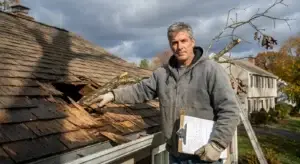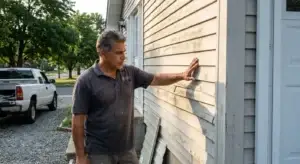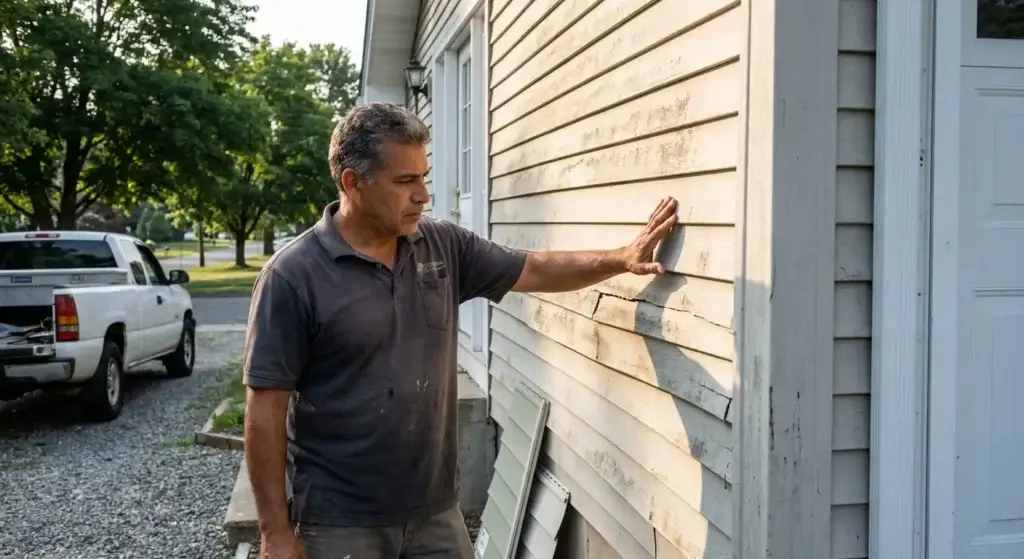
A good siding contractor Norwich CT homeowners can actually trust is not the crew with the loudest truck wrap or the flashiest Facebook ad. It is the one that knows what a 1970s split-level in Bozrah looks like when you pull off the old aluminum, and what a Cape in Colchester needs when the north wall has been chewed up by twenty winters of ice and wind.
Norwich and Colchester sit in the inland corner of New London County. The homes here are different from what you see on the coast. Less colonial estate, more mid-century ranch, split-level, and Cape. That difference matters when you are replacing siding, and it should shape who you hire.
Who does siding replacement near Norwich CT?
Norwich and the towns around it have a mix of guys who do siding. Some are big regional outfits running crews across the state. Some are one-truck operations that also do decks and additions on the side. Some are true renovation contractors who handle siding as part of a full exterior package with roofing and windows.
Matt Longo at Properties Done Right falls in that last group. Based in Gales Ferry, PDR works homes across New London County, including Norwich, Colchester, Bozrah, Franklin, and Lebanon. Matt has been doing residential renovations since 2018 and answers his own phone. That last part is not a small thing. When you call, you talk to the owner, not a call center reading a script.
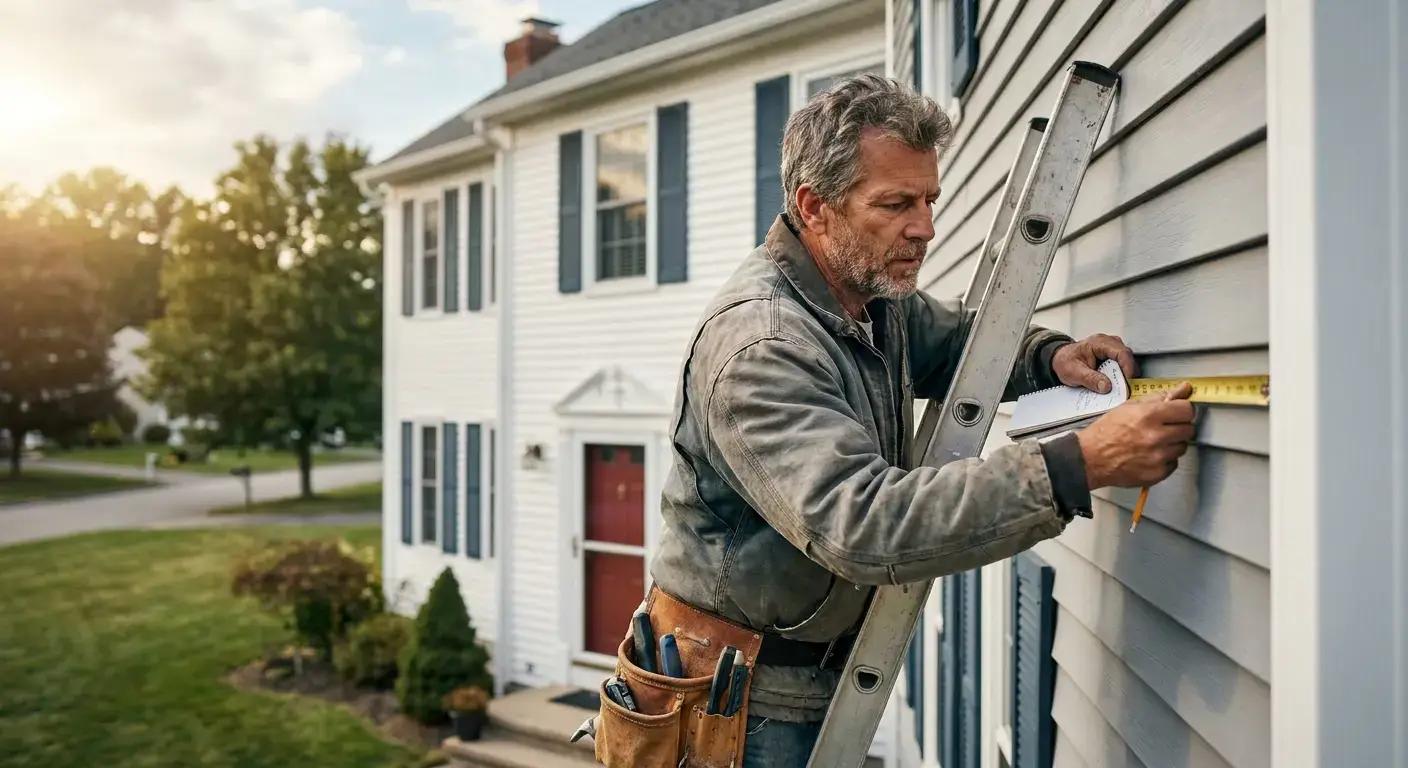
The reason it matters is simple. A siding job is not a one-day project. It is a week or two of a crew on your property, ladders on your lawn, and decisions being made in real time when they pull off the old siding and find something underneath they did not expect. You want the person who is going to be responsible for those decisions to be the same person who quoted the job.
What siding holds up best in inland Connecticut?
Inland Connecticut is a rougher climate than the coast in one specific way. You get bigger temperature swings, harder freezes, and more freeze-thaw cycles on the north and west walls of a house. The coast gets salt air and wind. Inland gets cold snaps that split cheap materials.
Three siding types hold up well on inland CT homes:
- Insulated vinyl. The workhorse. Modern insulated vinyl handles freeze-thaw cycles well, does not need paint, and comes in colors that actually look like painted wood from ten feet away. Good fit for split-levels and ranches where the goal is to lower the maintenance load.
- Engineered wood (LP SmartSide and similar). Looks like real wood cedar, resists moisture better than natural wood, and takes paint. Better fit for older Capes and colonials where the character of the home matters. Costs more than vinyl.
- Fiber cement (James Hardie and similar). Extremely durable, non-combustible, and holds paint for fifteen-plus years. The premium option. Heavier to install, so labor cost is higher, but the payoff is a 30-plus-year lifespan on a Connecticut home.
What does not hold up well inland: bottom-tier hollow vinyl (the stuff that cracks in a cold snap), and old-school aluminum (dents easily, fades hard). If a contractor is quoting you the cheapest vinyl on the market, ask why.
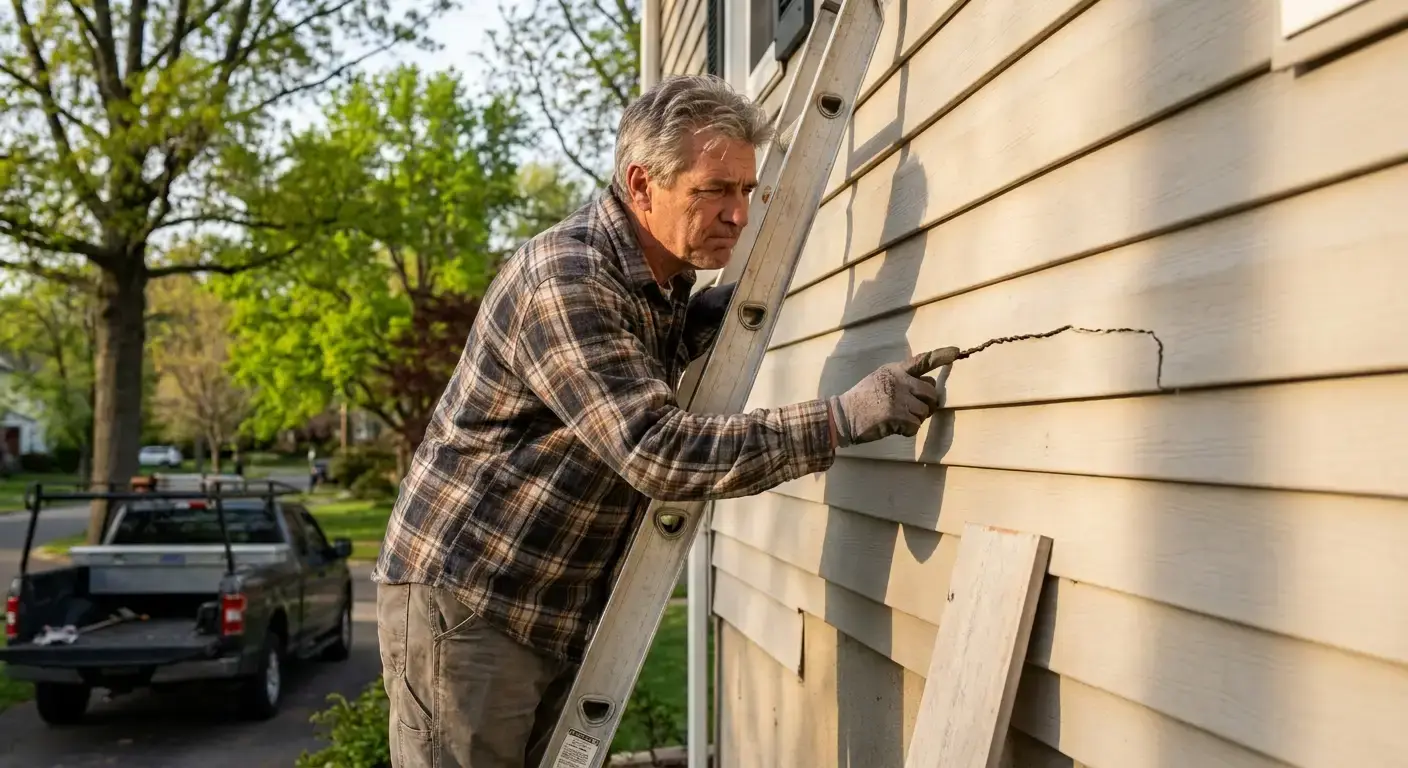
How do I find a local siding contractor near Colchester CT?
Colchester is a slightly different market than Norwich. More scattered rural properties, more homes on larger lots, and a mix of newer construction from the 1990s and 2000s alongside older farmhouses. The right contractor for a Colchester home is one who has actually worked on a house like yours before.
Here is what to check before you sign anything:
- Do they live and work in New London County? A crew driving in from Hartford or Waterbury is not going to give you the same responsiveness as a local. Look for a home address, not just a PO box.
- Who answers the phone? If it is a receptionist or a voicemail tree, that tells you something. If it is the owner or someone who can actually answer questions about your project, that tells you something else.
- Do they show up for the estimate on time? This is the single best predictor of whether they will show up on time for the actual job. A contractor who is late or reschedules the estimate will be late on the job.
- Are they carrying liability insurance and workers comp? Ask to see it. A legitimate contractor will send you a certificate of insurance without a fuss. If they hesitate, walk.
- Do they do the whole exterior or just siding? A crew that does roofing, siding, and windows together can catch issues at the intersections (like flashing behind siding at the roofline) that a siding-only crew will miss. Learn more about what a full renovation crew handles at the FAQ page.
Ask for photos of two or three recent jobs in Colchester or a neighboring town. Not stock photos. Real jobs. If a contractor cannot show you work he did within twenty miles of your house, that is a signal.
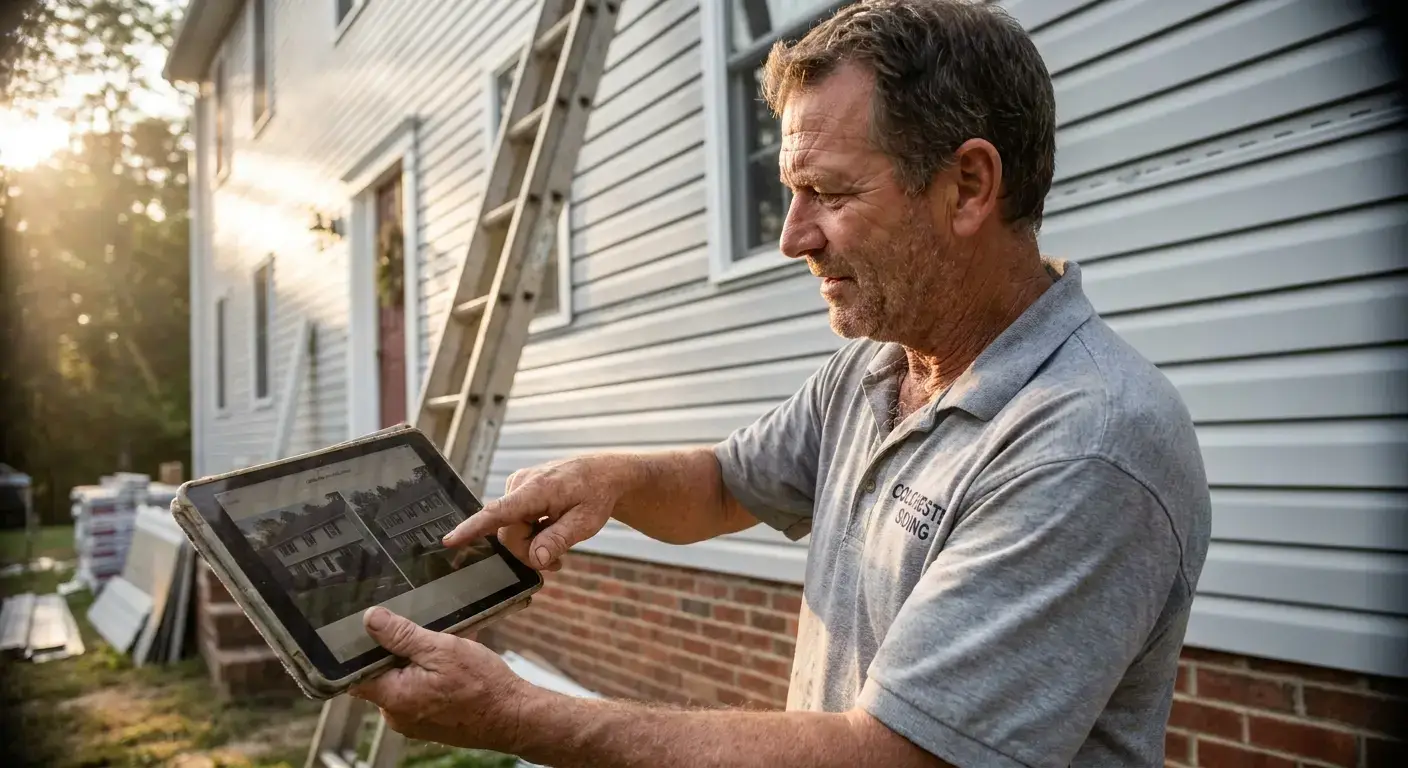
What is the best siding for a 1970s split-level home in Connecticut?
Split-levels from the 1970s make up a big chunk of the housing stock in Norwich, Colchester, Montville, and the surrounding towns. Most of these homes were built with T1-11 plywood siding, cedar shakes, or first-generation aluminum. All three are past their service life at this point.
For a 1970s split-level, insulated vinyl is usually the right call. Here is why:
- The architecture of a split-level does not carry the same historic character weight as a colonial or Victorian, so premium fiber cement is often overkill.
- The multiple planes and angles of a split-level mean labor is a bigger portion of the total cost than materials. Insulated vinyl keeps material cost reasonable so the total job stays in a workable range.
- Insulated vinyl adds an R-value bump. Not massive, but real, and a 1970s home with original insulation almost always benefits.
- The color options in modern vinyl are much better than they were even ten years ago. You are not stuck with beige or white.
The exception is if the home has been remodeled to look more traditional