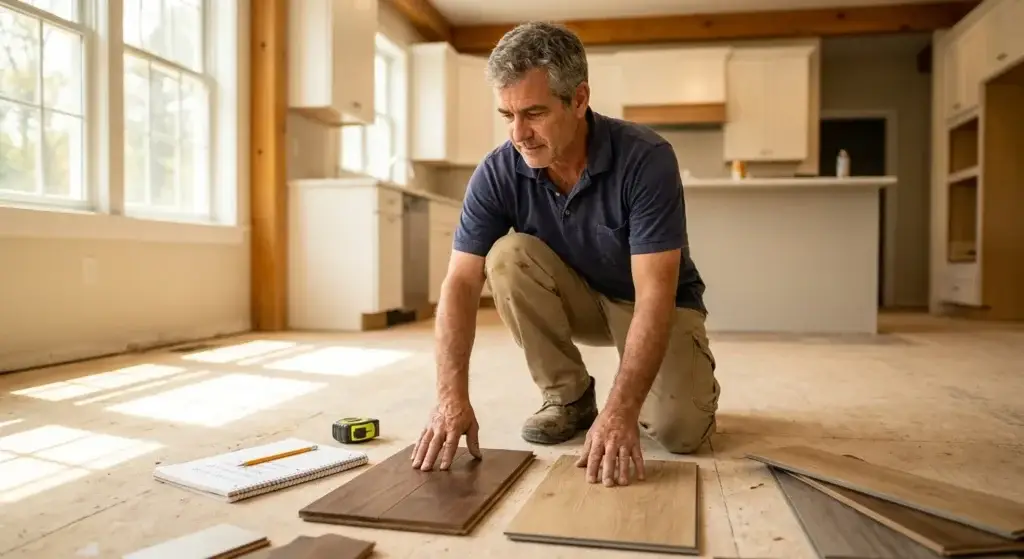
The hardwood vs LVP flooring Connecticut homeowners ask about every single week is not a tie, and it is not a one-size answer either. The right floor depends on the room, the subfloor, the age of the house, and whether you plan to sell in the next five years. After seven years of renovating homes across New London County, I can tell you exactly where each one wins and where each one fails.
This is not a sales pitch for a flooring brand. I do not take kickbacks from manufacturers. What follows is the honest version of the conversation I have with homeowners at kitchen tables in Gales Ferry, Ledyard, Groton, and Mystic.
Is LVP Flooring as Good as Hardwood for a Connecticut Home?
Short answer: for durability and moisture resistance, yes. For resale value and the ability to refinish, no.
Luxury vinyl plank has come a long way in the last decade. The wear layer on a good LVP (20 mil or thicker) will shrug off dog nails, dropped cast iron pans, and the kind of foot traffic a family with three kids puts on a floor. It is waterproof, not just water-resistant. That matters in a state where winter boots track slush from November through March.
Hardwood is different. Solid oak or maple will last 80 to 100 years if you treat it right, and it is the only floor you can sand down and refinish six or seven times over its life. But it is wood. Standing water will cup it, humidity swings will gap it, and a bad spill left overnight can stain it permanently.
Here is the practical rule I give homeowners: if the room sees water, pick LVP. If the room is dry and the goal is long-term appeal, pick hardwood.
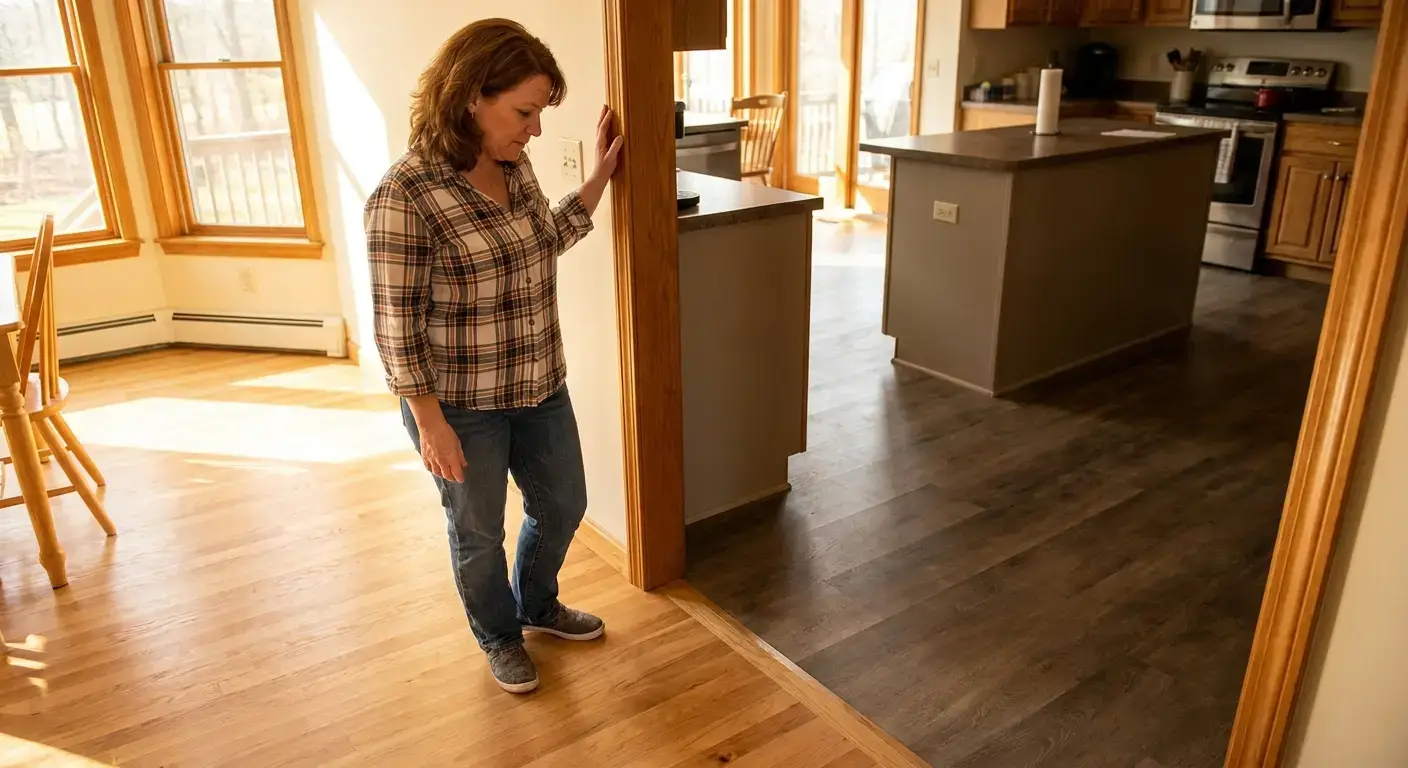
Does Hardwood Flooring Hold Up in a Basement in CT?
No. Do not put hardwood in a Connecticut basement. I have torn out too many to count.
Basements in New London County are below the frost line, surrounded by cold soil, and almost always carry some level of ambient moisture even when they feel dry. Wood responds to moisture by expanding, contracting, cupping, and eventually warping. Even an engineered hardwood (which is more stable than solid wood) is a bad bet below grade.
LVP is the right call in a finished basement, a laundry room, or a mudroom. It will not care if your sump pump has a bad day, and it will not telegraph every seasonal humidity swing. If you want the warmth of wood look, LVP in a wide plank with a matte finish gets you 90 percent of the way there visually at a fraction of the risk.
What Flooring Is Best for a New England Mudroom or Entryway?
LVP, porcelain tile, or stone. In that order for most homeowners.
Mudrooms and entryways take the worst abuse in a New England home. Rock salt, sand, snow melt, wet dogs, muddy work boots. Hardwood in a mudroom is a mistake. I see it on real estate listings all the time, and I see the damage underneath after one winter.
LVP wins here because it is waterproof, warmer underfoot than tile, and the installation cost is roughly half of a proper tile job. Porcelain tile is more durable long-term and can be heated from below, but it is cold, slippery when wet, and significantly more expensive to install over a wood subfloor.
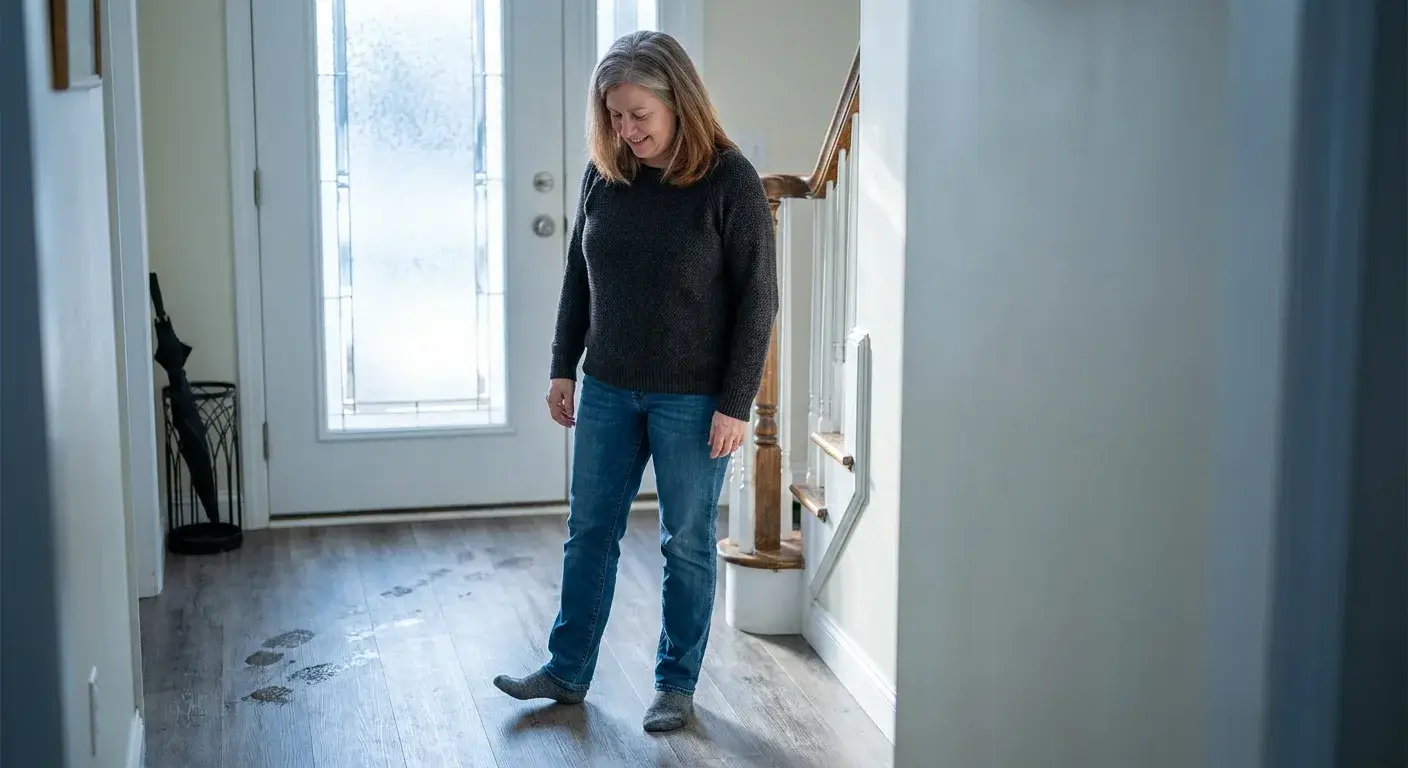
If you have an older colonial with uneven subfloors (common in homes built before 1940 around New London County), LVP is also more forgiving during installation. Tile demands a perfectly flat substrate or it cracks within a year or two.
Can You Refinish LVP Flooring If It Gets Scratched?
No. This is the single biggest trade-off with LVP, and it is the one most homeowners do not fully understand before they buy.
When LVP gets damaged, you replace the plank. You cannot sand it, you cannot restain it, you cannot buff the wear layer back to new. The click-lock installation makes single-plank replacement possible, but it is not simple, and matching dye lots on a floor that was installed three years ago is a gamble.
Hardwood is the opposite. A solid 3/4-inch oak floor can be sanded five, six, even seven times across its lifetime. Every refinish erases decades of wear and brings the floor back to looking brand new. I have refinished floors in 1920s homes in Mystic that look better now than they did when the owners bought the house.
If you plan to stay in the home for 20 or 30 years, this one factor often tips the decision toward hardwood in the main living areas. If you plan to move in five to seven years, it rarely matters.
What Flooring Adds the Most Value to a Home in Connecticut?
Hardwood, in the main living areas and bedrooms. Full stop.
According to the National Association of Realtors Remodeling Impact Report, new wood flooring recovers approximately 118 percent of its cost at resale, and refinishing existing hardwood recovers approximately 147 percent. Those are two of the highest ROI home improvements on the entire list.

LVP does not show up on that list. Buyers in Connecticut, especially in historic towns like Mystic, Stonington, and Old Lyme, specifically search for “hardwood floors” in listings. A real estate agent in New London County will tell you the same thing I will: hardwood on the main floor sells faster and at a higher price than LVP, even high-end LVP.
That said, LVP in kitchens, bathrooms, basements, mudrooms, and laundry rooms is now accepted and often preferred by buyers who understand the maintenance reality. The mistake is putting LVP in a dining room or primary bedroom just to save money. That decision will cost you more at closing than it saved during the project.
The Honest Hybrid Approach Most CT Homeowners Should Take
Here is what I actually recommend to most homeowners I meet with in New London County:
- Living room, dining room, bedrooms, hallways: Solid or engineered hardwood. These rooms are dry, high-visibility, and resale-sensitive.
- Kitchen: Hardwood if you are a careful cook and willing to wipe spills immediately. LVP if you have kids, dogs, or a dishwasher that has leaked before.
- Bathrooms, laundry room, mudroom, basement: LVP or tile. Never hardwood.
- Stairs: Match the main floor. Mixing materials on stairs looks cheap and buyers notice.
This hybrid approach is what good general contractors recommend because it balances what works day-to-day with what sells when the time comes. If a contractor pushes you toward LVP everywhere because it is faster and more profitable for them, that is a signal worth paying attention to. The same way you would watch for other red flags when deciding between contractors on your renovation project.
What to Watch for With Installation in CT Homes
The flooring material matters, but the installation matters just as much. Three things specific to Connecticut homes that get missed:
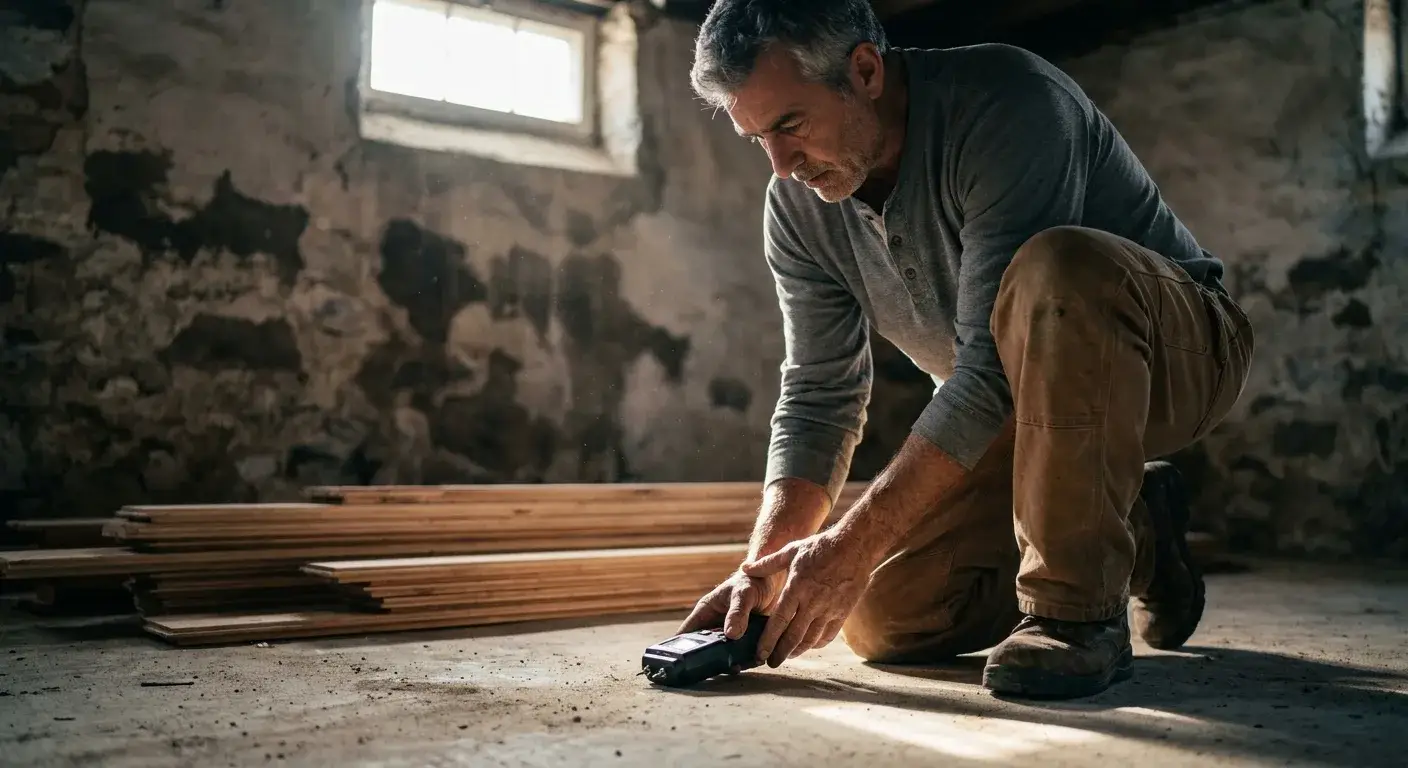
Acclimation time. Hardwood needs to sit inside the home for 5 to 14 days before installation so it adjusts to the humidity level of the house. Skipping this step is the number one cause of gapping and cupping within the first year.
Subfloor condition. Older colonial homes in New London County often have plank subfloors that are not flat enough for modern click-lock LVP. A proper installation includes leveling compound or an underlayment, not just rolling the planks over whatever is there.
Vapor barriers in basements. If you are putting LVP over concrete in a basement, a proper vapor barrier underneath is not optional. Moisture coming up through the slab will not damage the LVP, but it will cause mold between the plank and the slab over time.
Any reputable general contractor should walk you through all three before giving you a quote. If they skip these conversations, they are either cutting corners or they have not done enough renovation work to know what matters.
The Bottom Line
The hardwood vs LVP flooring Connecticut question comes down to room-by-room decisions, not a whole-house choice. Hardwood wins in dry living areas and for resale. LVP wins in wet rooms, below grade, and for families who need a surface that can take abuse.
The homeowners who get this right end up with a floor that looks good, functions well for their actual life, and holds its value when they sell. The ones who pick based on price alone, or based on what a flooring showroom salesperson pushed, end up replacing floors sooner than they should have.
If you are planning a flooring project in New London County and want an honest opinion on what will work in your specific home, that is the kind of conversation I am happy to have. No pressure, no gimmicks. Just the same advice I would give my own family.